






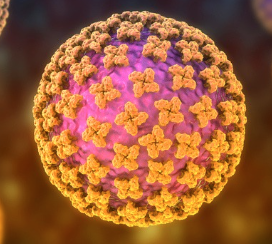











A recent outbreak of the deadly hantavirus, which began on the cruise ship MV Hondius, has caused concern around the world after the deaths of three passengers and the severe illness of many more. Health officials believe that the outbreak involves a rare strain of the hantavirus that can sometimes spread through close interpersonal contact. The outbreak began after passengers on the ship developed fever, breathing problems, and other flu-like symptoms. As more cases were discovered, passengers from different countries were quarantined and monitored upon leaving the ship.
Some Americans were placed in quarantine facilities in Nebraska and Georgia, while other passengers were isolated in locations such as Canada and Spain. Health organizations, particularly the CDC and WHO, are working together to track exposures and stop the spread of the virus. The MV Hondius is also being actively disinfected in order to resume operations. Officials say the overall risk to the public is still low, though former passengers of the cruise ship remain quarantined due to the disease’s long incubation period.
The outbreak has also raised concerns about how quickly diseases can spread through international travel. Experts say cruise ships can make outbreaks harder to control because passengers from many countries are in close contact for long periods of time. This event has shown the importance of fast medical response, quarantine, and global efforts during health emergencies.