



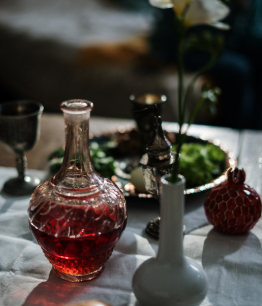



Pesach has a way of sneaking up on you every year, but the moment everyone sits down at the Seder table, all the rushing and preparation suddenly feels worth it. The familiar smell of matzo ball soup coming from the kitchen, Haggadot–some new, some old–stacked on each and every chair…everything just feels right.
The kids are asking the four questions, someone is reciting a dramatic reading of the plagues, and another is already eyeing the afikoman like they have been preparing for the game since Purim. And then the songs start. The moment someone kicks off “Dayenu,” it does not matter how old you are or how long it has been since your bar or bat mitzvah. “Chad Gadya” turns into a friendly competition to see who can keep up by the end.
Those are the moments we carry with us long after Pesach ends and the matzah is finally gone. Our tradition has survived thousands of years not just because of what is written in the Haggadah, but because of these tables, these voices, and these families who show up for each other year after year. It is a classic example of l’dor v’dor: from generation to generation.