















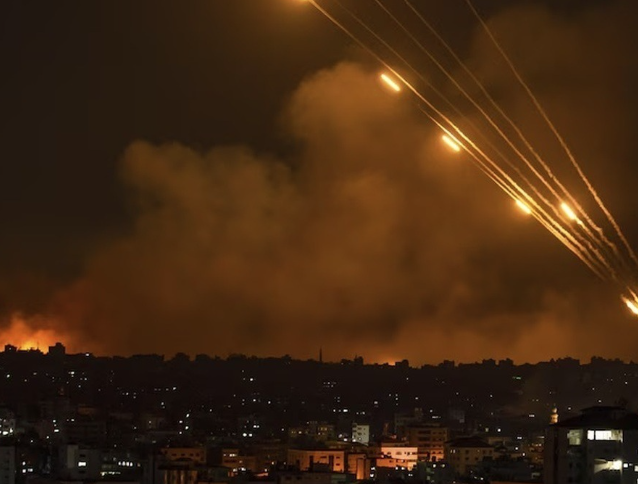
In February 2026, tensions between Israel and Iran escalated into a major conflict when Israel launched a large-scale military strike on Iran. Israel, with support from the United States, targeted Iranian military bases, missile sites, and government locations in several cities, including Iran’s capital, Tehran.
One of the most significant results of the attack was the death of Iran’s Supreme Leader, Ayatollah Ali Khomeini, who was killed in the first wave of airstrikes. Several other high-ranking Iranian military leaders were also killed during the attack.
Israeli military officials reported that the strike was meant to weaken Iran’s military power and stop threats against Israel. For many years, Israel has believed that Iran’s weapons programs and influence in the region could be dangerous to its security. After the strike, Iran did not hesitate to respond. Military forces launched missiles and drones towards Israel and American military bases stationed in the Middle East. These attacks also took place in Bahrain, United Arab Emirates, Kuwait, Qatar, Saudi Arabia, and Cyprus.
This retaliation increased tensions in the region and caused fears that the conflict could spread into a larger war. The United States played an important role in the conflict by supporting Israel and taking part in some of the strikes. American officials said their goal was to protect U.S. forces and help weaken Iran’s military capabilities.
This conflict has led to significant consequences such as the involvement of world powers and the death of powerful Iranian leaders. This begs the question of whether or not this will lead to further escalation or create a long-awaited gateway to peace in the Middle East.