













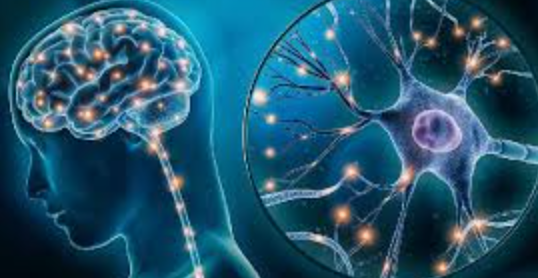
Your brain is always changing in response to what you do, think, and practice. This process is called neuroplasticity. When you learn something new, networks of neurons begin to fire together, and with repetition, those connections can strengthen, often summed up as “neurons that fire together, wire together.” With time, the brain becomes more efficient at the task at hand, which is why practice can take something difficult, such as solving a type of math problem or perfecting a dance move, and turn it into something that feels automatic.
Sleep is one of the brain’s secret weapons for learning. While you sleep, your brain doesn’t just “shut off”. Rather, it works actively to stabilize memories and refine newly learned skills, much like saving and organizing files after a busy day. At the same time, it can weaken less useful connections, allowing more important information to stand out. That is why spacing out one’s studying and getting solid sleep often leads to better long-term memory when compared to last-minute cramming, even if that cramming feels productive in the moment.